

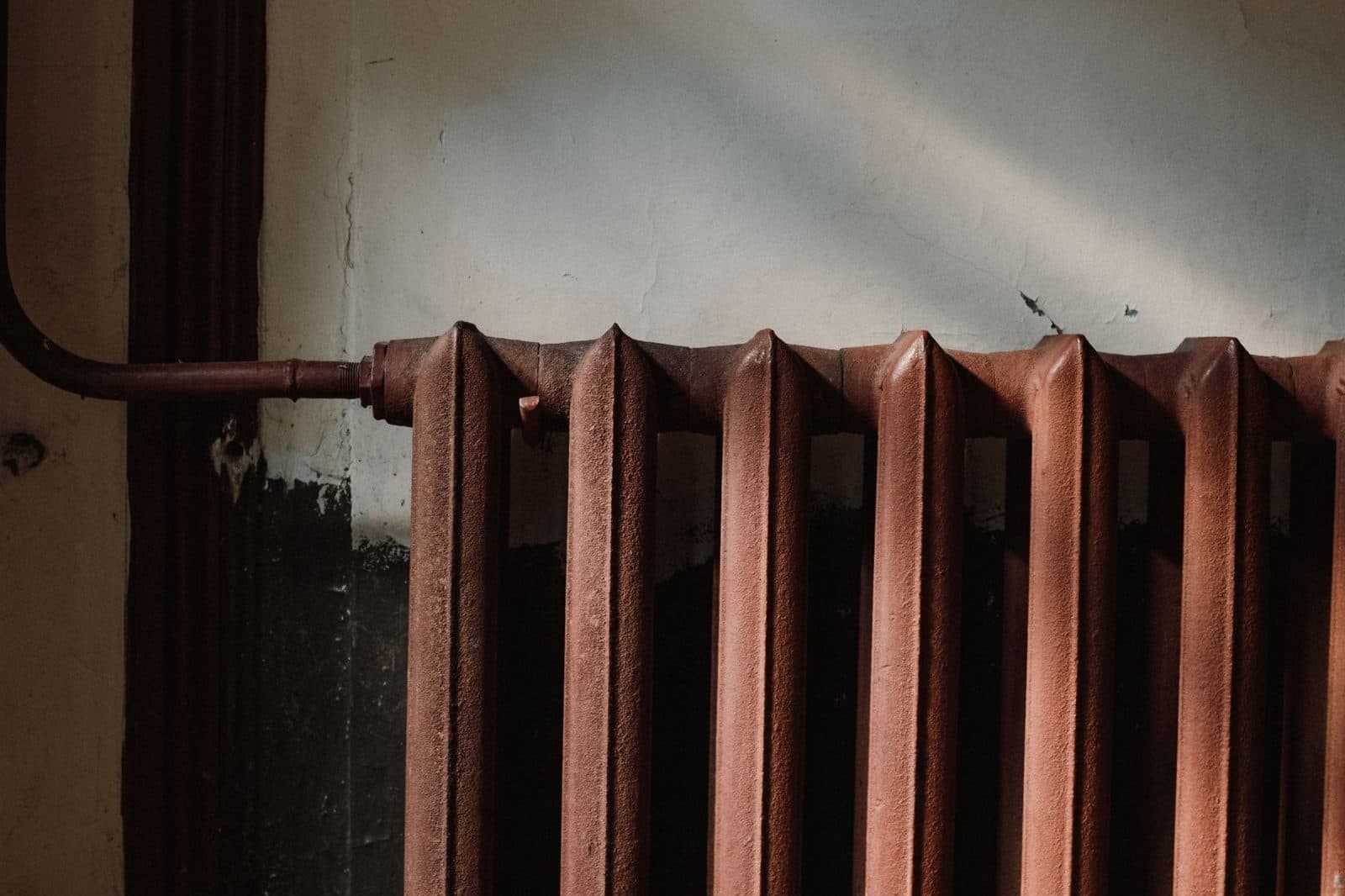
If you are buying an older home in New York, there is a good chance it is heated by a boiler in the basement.
Much of the housing stock across Queens, Brooklyn, the Bronx, Staten Island, Nassau, Suffolk and Westchester was built long before forced-air furnaces became common. Those homes often heat with a gas- or oil-fired boiler feeding steam or hot-water radiators, and some still have an oil tank in the basement or buried in the yard. These systems can run reliably for decades, but they have their own weak points, and late fall, with the heat already on, is a good time to see how they perform.
Heating is one of the major systems Expert NY Inspections examines on every home inspection, along with the roof, exterior, structure, electrical, cooling, plumbing, insulation and interior. Here is what we look at on a boiler-heated home and why it matters before you buy.
Steam or Hot Water? Know Which System You Are Buying
The first thing to understand is which type of system the house has.
- Steam systems heat water in the boiler until it boils, and the steam rises through pipes to the radiators. They are common in older homes and are recognizable by a sight glass on the boiler showing the water level, and by air vents on the radiators.
- Hot-water (hydronic) systems pump heated water through radiators or baseboard convectors and back to the boiler. They usually have a circulator pump, an expansion tank and a pressure gauge.
The two systems are maintained differently, and some problems only apply to one or the other. Your report tells you which one you have so you know what kind of service it needs.
What We Check on the Boiler
During the inspection we operate the heating system using normal controls and look at the boiler and everything around it that can be seen without taking it apart:
- How the boiler starts, runs and shuts down, and whether heat reaches the radiators.
- Signs of leaks, rust or corrosion on the boiler, fittings and nearby piping.
- The water level on a steam boiler and the pressure and temperature on a hot-water boiler.
- The safety devices that are visible, such as the pressure relief valve and its discharge pipe on a hot-water system.
- Signs of past overheating, soot or scorching around the burner area.
- The general age and condition of the unit, and any service tags showing when it was last maintained.
An older boiler that runs is not automatically a problem; many last a long time with good care. What matters is its condition and whether it shows signs that it needs attention.
Venting and Carbon Monoxide
Every fuel-burning boiler has to send its exhaust safely outside, usually through a chimney or a vent pipe. A disconnected vent connector, a corroded flue, or a chimney that is blocked or deteriorated can let combustion gases back into the house, and in winter, with windows closed, that risk goes up.
We trace the visible venting from the boiler and the water heater to the chimney or the outside wall, check the connections, and look for signs of backdrafting. For more on why this matters, read our article on carbon monoxide.
Radiators and Piping
Radiators are simple, but they still tell a story. We look for leaks at valves and connections, radiators that stay cold when the heat is on, damaged or missing air vents on steam radiators, and pipes that are corroded or poorly supported. Banging or hissing on a steam system can point to pipes that are sloped wrong or water that is not draining back to the boiler properly.
In many older homes, the original heating pipes were wrapped in insulation that may contain asbestos. We note suspect pipe covering where we see it. If it is damaged or will be disturbed in a renovation, our asbestos services can identify and assess it.
The Oil Tank Question
Some homes in the area heat with oil, and many that now burn gas once did. That means there may be an oil tank in the basement, or an old tank buried in the yard that was never removed.
During the inspection we look for an above-ground tank and its condition: rust, weeping seams, stains underneath and the condition of the fill and vent pipes. We also look for clues that a buried tank may exist, such as a fill pipe or vent pipe sticking out of the ground near the house, or old copper supply lines coming through the foundation wall. A home inspection cannot see underground, so if there are signs of a buried tank, the report will recommend further evaluation before closing. Leaks from old tanks can be costly to clean up, so this is worth knowing early.
Before Your First Winter
Every finding is documented in a written report delivered the same day as the inspection, so you and your attorney or agent have the facts while you can still act on them. We encourage you to attend and ask questions as we go.
Our owner, Ben Yousefzadeh, is a New York State licensed home inspector with more than 15 years of real estate and construction experience, and Expert NY Inspections has seen just about every type of older heating system the city and Long Island have to offer. If you are buying a boiler-heated home this season, see all of our services or book your inspection today.